

Picture Puzzle: Snowman
Find the 12 differences between these two portraits of a snowman.
Picture Puzzle: Snowman Read More »
Find the 12 differences between these two portraits of a snowman.
Picture Puzzle: Snowman Read More »

Science Snippet: Sky Color Everyone knows that the sky is blue. But is it? During the night, the sky is black. At sunrise and sunset, the sky can be a variety of colors. What we really mean is that during the day, the sky is blue. But that blue isn’t always the same. As sunlight
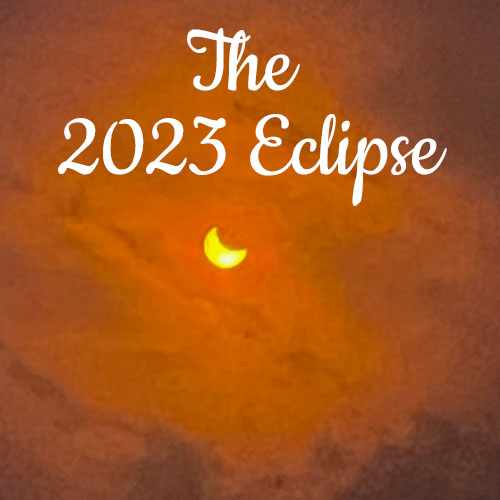
Science Snippet: The 2023 Eclipse On Saturday, October 14, an annular solar eclipse was visible from parts of North and Central America. Much of the rest of the Americas saw a partial solar eclipse. A solar eclipse occurs when the moon moves between the sun and the earth. Solar eclipses come in three kinds. Partial
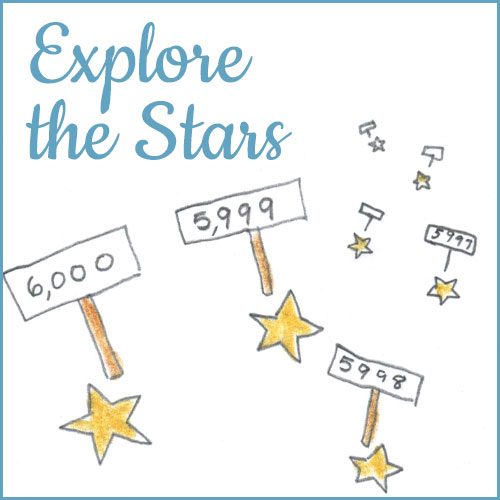
Science Snippet: Explore The Closest Stars On a clear night with extremely dark conditions, there can be as many as 6,000 stars visible to the naked eye. Some of these stars are bright and noticeable whereas others are barely visible pinpricks of light. You might expect that the bright prominent stars are the closest ones.
Explore The Closest Stars Read More »
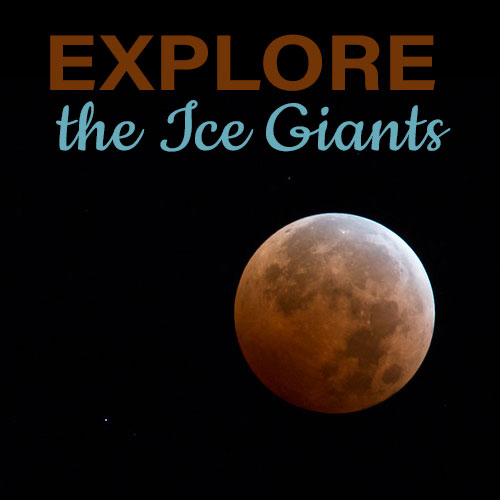
Science Snippet: Explore The Ice Giants Jupiter and Saturn are gas giants; Uranus and Neptune are ice giants. The ice giants both have extremely thick atmospheres made of hydrogen and helium. Uranus has a small amount of methane in its atmosphere as well which gives the planet a blue-green color. Neptune has a dark blue
Explore The Ice Giants Read More »
To enjoy this content, please join our 5sparrows family. If you can’t afford a donation or monthy support, there is a free registration option. You can also click on the About us link in the menu bar to learn more about us and our project. We look forward to hearing from you. If you are
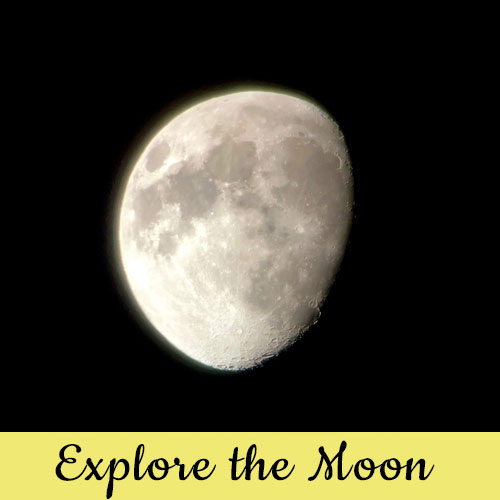
Science Snippet: Explore The Moon What object in the solar system is closest to the Earth? The closest object is our moon. On average the moon is 238,900 miles away. That distance is almost ten times the circumference of the Earth. This sounds like a long way, but it’s close compared to the other objects
Science Snippet: Explore Jupiter Jupiter is much farther away than Mars. Despite this, it is currently close to 40 times brighter. In fact, Jupiter is the fourth brightest object in the sky after the sun, the moon, and Venus. How can Jupiter be so much brighter than Mars? Jupiter is much larger than Mars. In
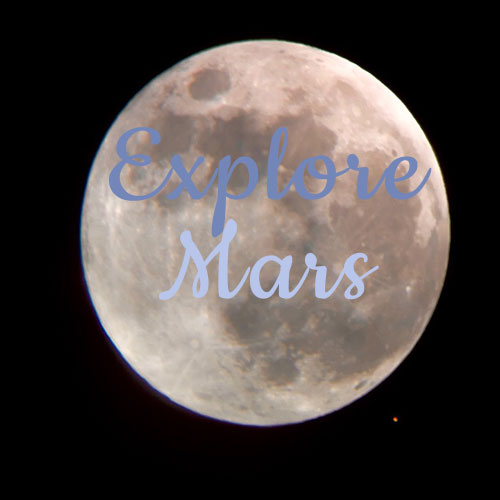
Science Snippet: Explore Mars Anyone who completed my astronomy challenge last year should remember Mars as a brilliant red “star”. But if you try to find Mars now, it won’t look the same; it is over six times dimmer than it was in December. Mars is not very large. It is only about half the
Science Snippet: Explore Mercury Mercury is a difficult planet to observe. It is the smallest planet and it is currently over 121 million miles away. But that is not why Mercury is hard to see. While Mercury may be small for a planet, it is not that small. It is slightly larger than the moon.